Parking Lot Sealcoating in Denver, CO
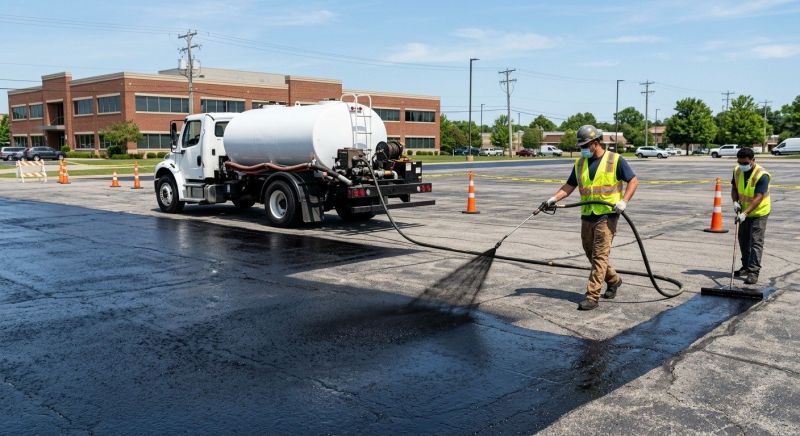
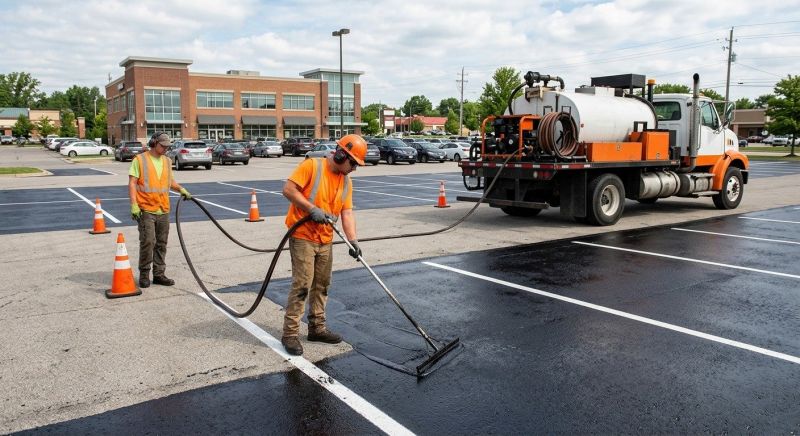
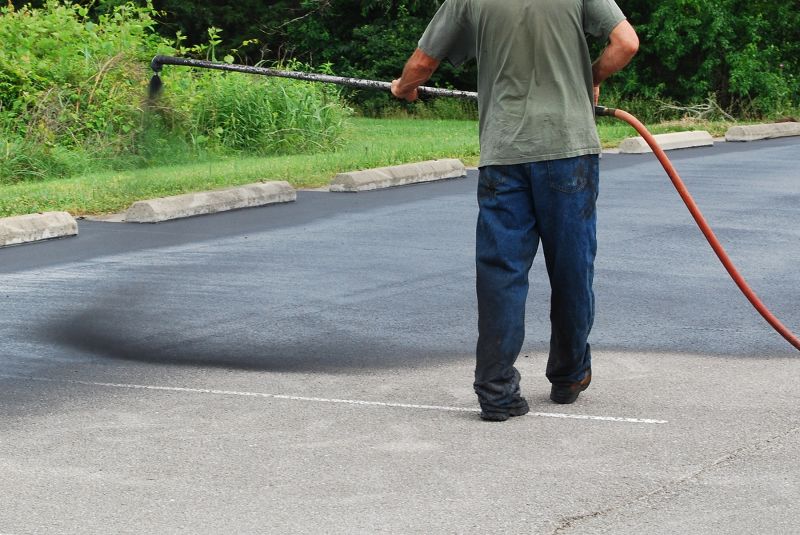
Parking lot sealcoating services involve applying a protective asphalt coating to extend the lifespan and improve the appearance of paved surfaces. This process helps prevent damage caused by water, UV rays, and daily wear, making it suitable for a variety of projects including residential driveways, private parking areas, and small commercial lots. Property owners typically want to understand how the sealcoating can help preserve their pavement, the best timing for application, and any preparation steps needed before the service is performed.
Homeowners and property managers often request sealcoating to maintain a smooth, professional look and to reduce future repair costs. Before requesting the service, it’s important to consider the current condition of the asphalt, including cracks or existing damage, as these may need to be addressed beforehand for optimal results. Additionally, understanding the drying time and restrictions during the application process can help plan for minimal disruption to daily activities.
Many property owners in Denver, CO look into Parking Lot Sealcoating for repairs, replacements, upgrades, and appearance-related improvements.
Protecting Your Parking Lot
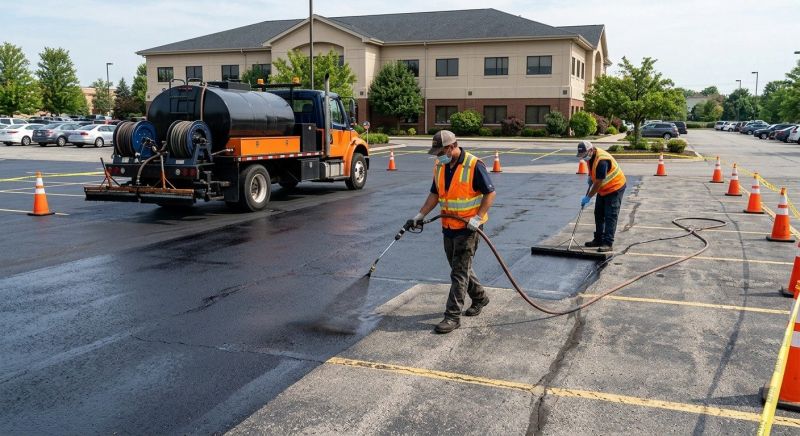
Sealcoating helps prevent damage from water, oils, and uv rays to extend pavement life.
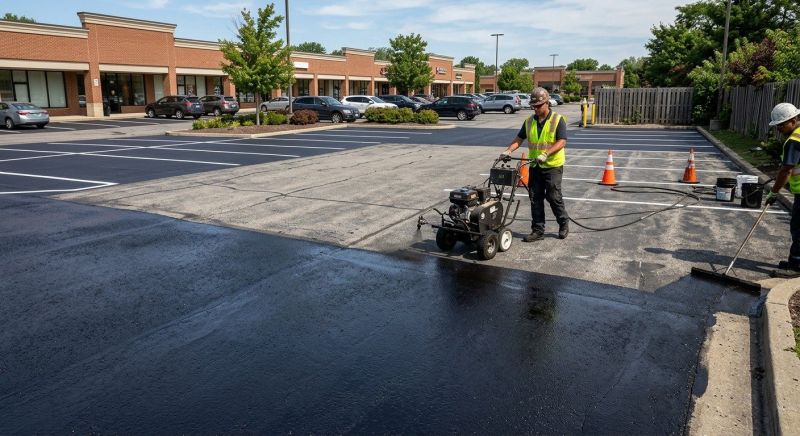
Enhancing Curb Appeal
A well-maintained sealcoat improves the appearance of parking areas for commercial and residential properties.
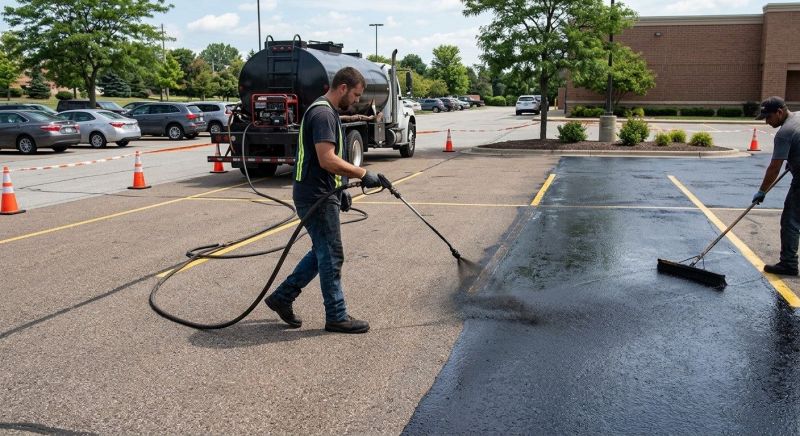
Maintaining Safety And Functionality
Sealcoating provides a smooth surface that reduces the risk of cracks and potholes, ensuring safe parking for visitors in denver area properties.
Parking Lot Sealcoating in Denver, CO
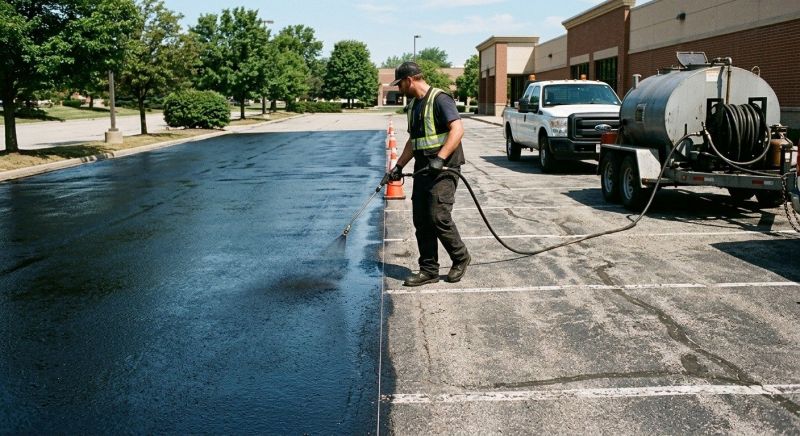
Parking lot sealcoating services involve applying a protective asphalt coating to extend the lifespan and improve the appearance of paved surfaces. This process helps prevent damage caused by water, UV rays, and daily wear, making it suitable for a variety of projects including residential driveways, private parking areas, and small commercial lots. Property owners typically want to understand how the sealcoating can help preserve their pavement, the best timing for application, and any preparation steps needed before the service is performed.
Homeowners and property managers often request sealcoating to maintain a smooth, professional look and to reduce future repair costs. Before requesting the service, it’s important to consider the current condition of the asphalt, including cracks or existing damage, as these may need to be addressed beforehand for optimal results. Additionally, understanding the drying time and restrictions during the application process can help plan for minimal disruption to daily activities.
Many property owners in Denver, CO look into Parking Lot Sealcoating for repairs, replacements, upgrades, and appearance-related improvements.
Common Parking Lot Sealcoating Jobs
Parking Lot Sealcoating - Protects asphalt surfaces from water damage and UV rays.
Commercial Parking Areas - Enhances durability and appearance of business parking lots.
Residential Driveways - Extends the lifespan of home driveway surfaces.
Multi-Unit Complexs - Maintains safe and attractive parking for apartment communities.
Event Parking Lots - Preserves large parking areas used for gatherings and events.
Industrial Parking Facilities - Shields heavy-traffic zones from wear and weather-related deterioration.
Parking Lot Sealcoating Questions
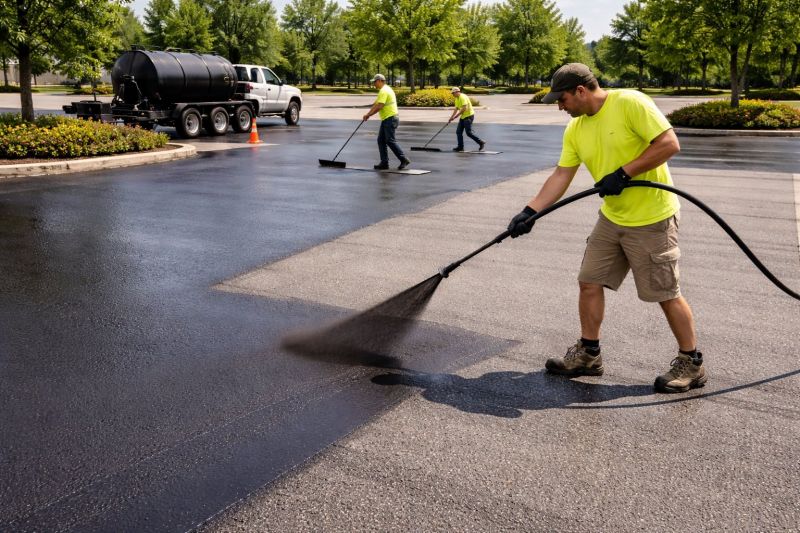
What is parking lot sealcoating? Sealcoating is a protective layer applied to asphalt surfaces to shield against weather, UV rays, and wear.
Why should property owners consider sealcoating? It helps extend the lifespan of the asphalt and maintains a clean, professional appearance.
What types of parking lots benefit from sealcoating? Commercial, residential, and multi-unit parking areas can all benefit from regular sealcoating.
How often is sealcoating recommended? Typically, sealcoating is applied every 2 to 3 years to preserve the asphalt surface.
Request Parking Lot Sealcoating in Denver, CO
Use the quote form on this page to share the basics of your project and request more information for the type of work you need.